
Is Keeping Money in Cash Costing You? Inflation Explained
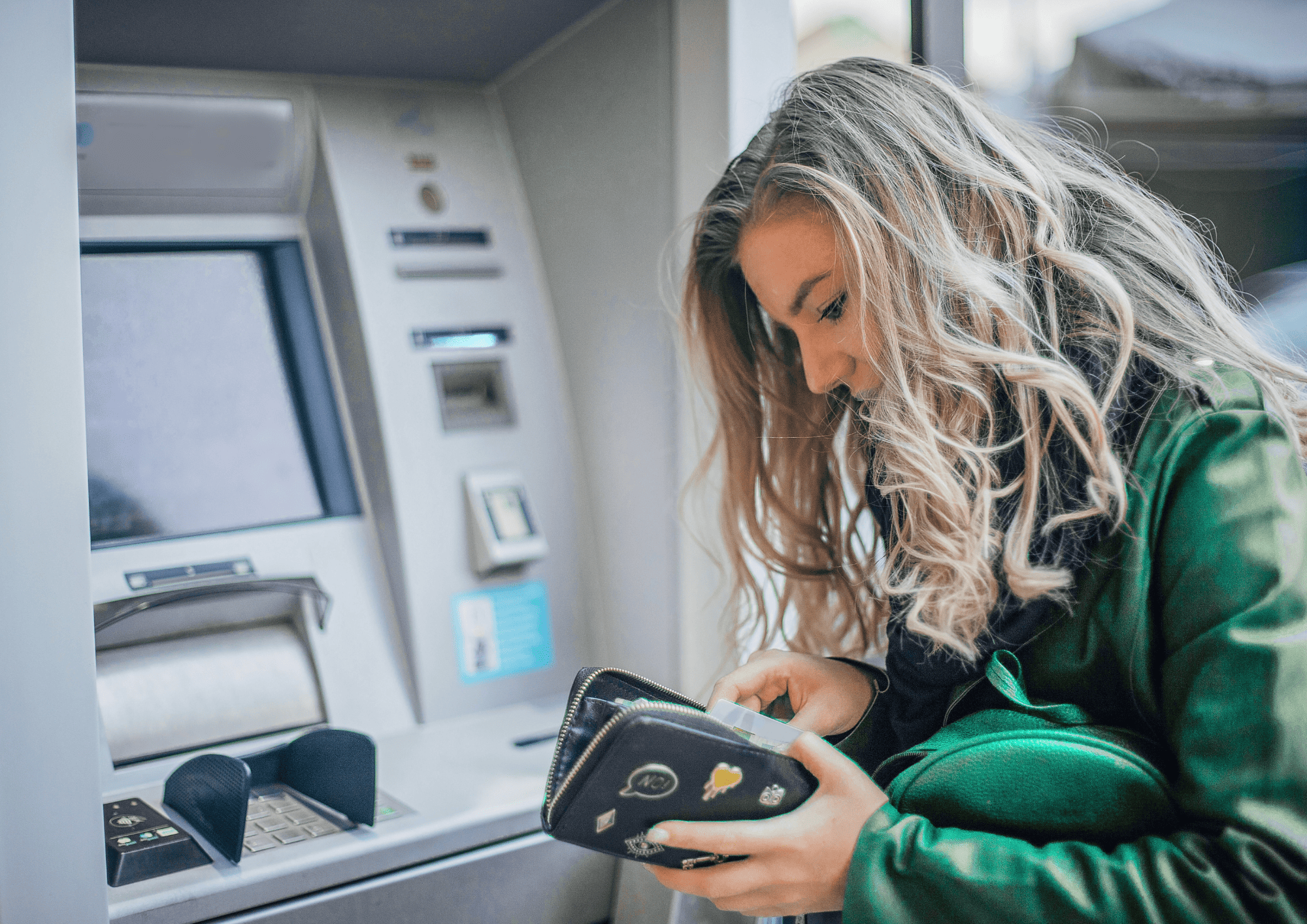
Holding cash can feel safe. It’s tangible, familiar, and always “there when you need it.” But there’s a hidden risk many people overlook: inflation quietly erodes the value of your money over time.
If you’re keeping a large portion of your savings in cash—whether under the mattress, in a low-interest account, or sitting idle—you may be losing purchasing power without realising it.
Let’s break down what inflation is and how it affects your money in real terms.
What is inflation?
Inflation is the rate at which the general price of goods and services rises over time. A loaf of bread would have cost you around 9p 50 years ago. Now, we’re looking at between £0.75 and £1.90.
In the UK, inflation is commonly measured by the Consumer Prices Index (CPI), tracked by the Office for National Statistics and guided in economic policy discussions by the Bank of England.
What are the latest inflation trends?
In recent years, the UK has experienced unusually volatile inflation:
It peaked at very high levels (over 10%) in 2022 during the cost-of-living crisis.
Since then, it has generally eased but has remained around the 2–4% range.
Even when inflation feels “low,” it still compounds over time—quietly reducing what your savings are worth in real terms.
The cost of holding cash
Let’s say you have £10,000 sitting in cash. With an average inflation of 3%, after
1 year: £10,000 buys what £9,700 could buy today
5 years: £10,000 buys what about £8,600 could buy today
10 years: £10,000 buys what about £7,400 could buy today
So even though your bank balance hasn’t changed, your spending power has fallen by more than 25% over a decade.
That is the “hidden cost” of holding cash.
Why cash feels safe (but can be misleading)
People often keep money in cash for reasons like:
Emergencies
Fear of market risk
Waiting for the “right time” to invest
Simple convenience
These are valid short-term reasons, but the problem arises when cash becomes a long-term strategy rather than a temporary holding place.
It’s important to note that keeping money in cash isn’t “wrong”, but keeping too much for too long can quietly cost you real wealth.
Where inflation hits hardest
Inflation doesn’t affect everything equally. It tends to impact:
Energy bills
Food prices
Housing costs (rent and mortgages)
Transport and fuel
This means your everyday expenses rise even if your income or savings don’t keep pace.
What you can do about it
You don’t necessarily need to avoid cash entirely. The key is balance and purpose.
1. Keep only what you need in cash
A common approach is:
3–6 months of expenses for emergencies
Short-term spending goals (holidays, purchases)
2. Explore your options
Depending on your risk tolerance, you might want to find out more about:
High-interest savings accounts
Fixed-term deposits
Inflation-linked bonds
These options carry different levels of risk, but many are designed to help your money grow faster than inflation over time.
3. Think in “real value,” not just balance
Instead of asking “How much money do I have?” Ask “What will this money be worth in 5 or 10 years?”
This shift in thinking is key to long-term financial health.
4. Review your money regularly
Inflation changes over time, and so should your strategy. Reviewing your savings yearly can help you avoid a gradual loss of purchasing power.
Remember, inflation is like a slow leak in a tyre: you don’t notice it day-to-day, but over time, the impact becomes significant, which is why it’s important to do what you can now.
For further guidance on savings and investments, please don’t hesitate to get in touch, and we can arrange a chat with one of our advisers.
